
It’s so exciting to dream about transforming your living space, isn’t it? Sometimes, the biggest impact comes from the biggest change, and for many of us, that means opening up a room by taking down a wall. As someone who’s spent over 25 years in the construction world, I’ve seen countless walls come down, and let me tell you, it’s a project that’s equal parts thrilling and, well, tricky.
Before you grab that sledgehammer (and trust me, the urge is real!), let’s chat about what you absolutely need to know to make your home improvement project a success, safely and smartly.

The Top Three Guidelines for a Smart Wall Removal
When it comes to interior demolition, especially something as significant as removing a wall, there are three golden rules to live by:
- Safety First, Always: This isn’t just a catchy phrase; it’s non-negotiable. Knowing what’s behind that drywall or plaster can prevent serious injury or costly damage.
- Know Your Wall: Not all walls are created equal. Identifying whether a wall is load-bearing or not is the single most important step.
- Plan, Plan, Plan: A thorough plan saves time, money, and headaches. “Measure twice, cut once” applies here, too, but it’s more like “investigate twice, demolish once.”
Is This a DIY Project? Understanding When It’s Safe
This is the million-dollar question, and the answer largely depends on Rule #2: Is the wall load-bearing?
- Non-Load-Bearing Walls (Partition Walls): These walls primarily serve to divide rooms and don’t support the structural weight of your home’s roof or upper floors. Think of a closet wall, or a short wall simply separating a dining room from a living room where the ceiling joists run parallel to it. If, and only if, you are certain a wall is non-load-bearing and contains no hidden utilities (more on that in a moment), a DIY approach might be feasible.
- Load-Bearing Walls: These are the backbone of your home’s structure. They support the weight from above – be it the roof, the floor joists of an upper level, or even other walls. Removing a load-bearing wall without proper temporary support and permanent structural reinforcement (like a new beam and footings) can lead to serious structural damage, including sagging floors, cracking walls, and even a partial collapse. This is unequivocally NOT a DIY project.
The Information You Need to Gather (and How to Do It)
Before you even think about swinging that hammer, you need to become a detective. Here’s your checklist:
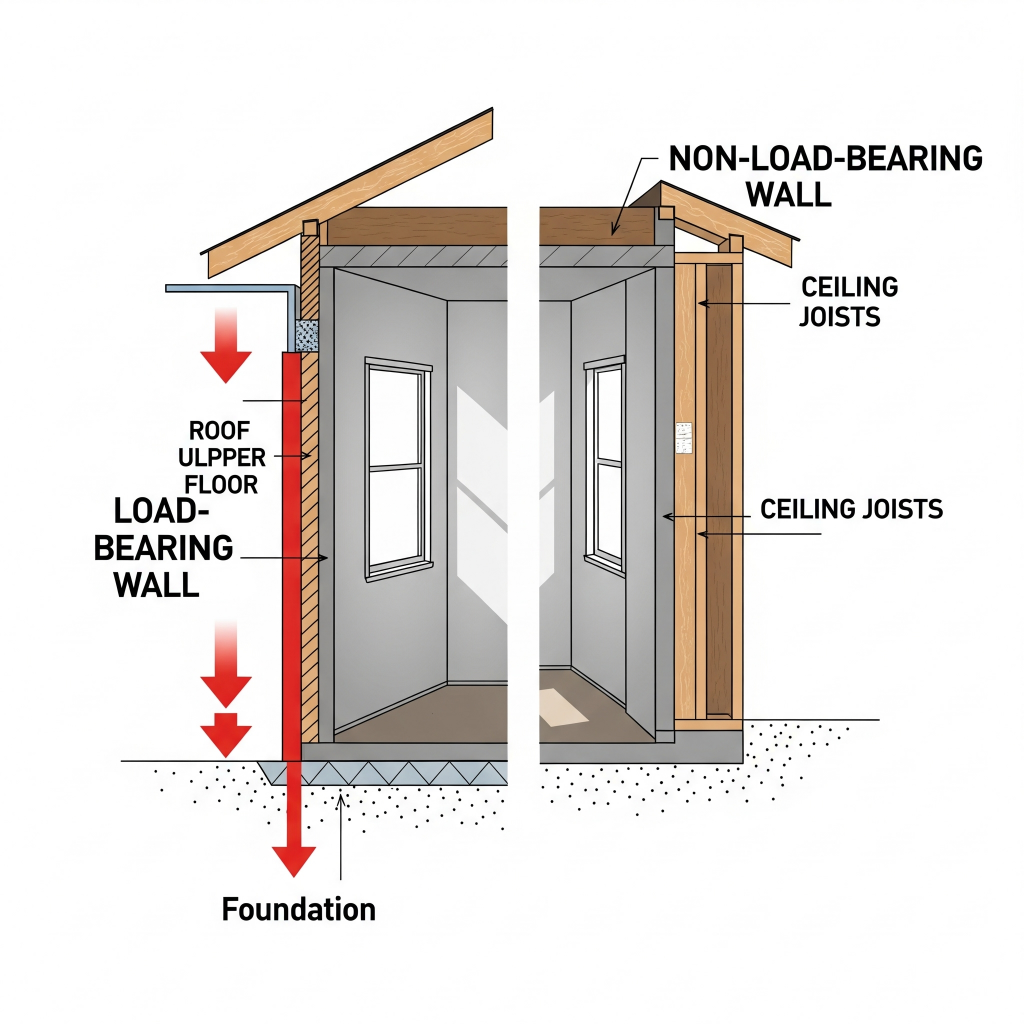
1. Identify Wall Type (Load-Bearing vs. Non-Load-Bearing): This is the most critical step. Here’s how to start your investigation:
- Check Blueprints/Building Plans: If you have them, these are your best friends! They often indicate structural elements.
- Observe Joist Direction: Head up to the attic and down to the basement/crawl space.
- In the attic: Look at the ceiling joists above the wall you’re curious about. If the wall runs perpendicular to the joists and the joists meet or splice on top of the wall, it’s very likely load-bearing. If the wall runs parallel to the joists, it’s probably non-load-bearing.
- In the basement/crawl space: Look for beams or walls directly below the wall in question. If there’s a supporting structure directly underneath, it’s a strong indicator that the wall above is load-bearing.
- Examine Wall Thickness: Load-bearing walls are often thicker than partition walls.
- Look for Stacking: Does the wall extend from your foundation all the way up through multiple floors or to the roofline? Walls that stack are often load-bearing.
- Ceiling Sag: While not a definitive indicator, if you see noticeable sagging in the ceiling near the wall, it might suggest it’s taking a load.
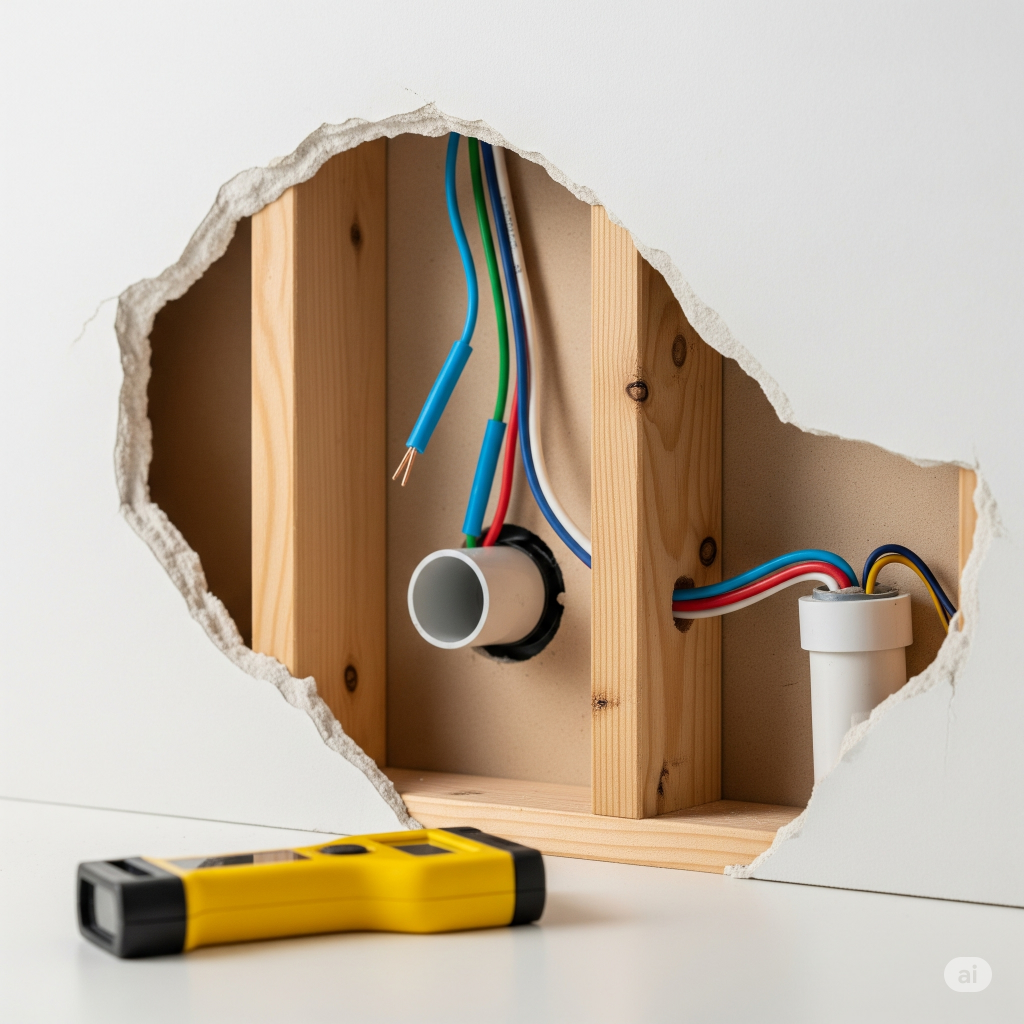
2. Locate Hidden Utilities: Walls are rarely just empty spaces. They often house essential systems:
- Electrical Wiring: Use a reliable stud finder with electrical detection. Look for outlets, switches, and light fixtures on or near the wall. Assume wires are live until proven otherwise and always shut off power to the area at your breaker box before any work begins.
- Plumbing Pipes: Listen for water running in the pipes if you turn on nearby faucets. Look for plumbing fixtures on adjacent walls or floors above/below.
- HVAC Ducts: These might be harder to spot without opening the wall, but look for vents or registers on the wall or ceiling/floor nearby.
- Gas Lines: Exercise extreme caution here. If you smell gas or suspect a gas line, stop immediately and call your utility company.
How to Gather This Information (Budget-Friendly Tips):
- Patience and a Flashlight: Take your time in the attic and basement.
- Stud Finder: Invest in a good quality stud finder that can detect wood, metal, and live electrical wires.
- Small Inspection Holes: Carefully cut a small 4×4 inch hole in an inconspicuous spot in the drywall (away from outlets or switches) to peek inside with a flashlight. This can reveal studs, wiring, or pipes. Just be ready to patch it up!
- Listen: Turn on water, flush toilets, and run heating/AC to listen for sounds within the wall.
When to Get a Professional Involved

Even if you’re a seasoned DIYer, some projects are best left to the experts. Here’s when to call in the cavalry:
- If it’s a Load-Bearing Wall (or you suspect it is): Seriously, this is non-negotiable. A structural engineer or a licensed contractor with experience in structural modifications is essential. They can confirm if the wall is load-bearing, design the necessary beam and supports, and ensure your home’s structural integrity remains intact. Trying to DIY this is incredibly dangerous and can lead to catastrophic consequences.
- If Major Utilities are Present: While re-routing a single electrical outlet might be a small DIY task for a competent homeowner, extensive electrical wiring, plumbing, or HVAC ducts within the wall require professional attention. Licensed electricians, plumbers, or HVAC technicians will ensure these systems are safely relocated and remain up to code.
- Permit Requirements: Many municipalities require permits for wall removal, especially for load-bearing walls or if it involves significant changes to electrical or plumbing. A professional contractor will know the local codes and handle the permitting process, ensuring your project is compliant. Skipping permits can lead to fines and issues when selling your home.
- You Feel Unsure: If at any point you feel overwhelmed, uncertain, or just plain nervous, that’s your instinct telling you to call a pro. There’s no shame in knowing your limits. A professional can provide peace of mind and ensure the job is done correctly and safely.
Removing a wall can dramatically change the feel and flow of your home, truly enhancing your home improvement efforts. With careful planning, thorough investigation, and knowing when to bring in the experts, you can achieve that open, airy space you’ve been dreaming of, safely and confidently. Happy remodeling!
Leave a Reply