
5 Hidden Home Hazards: DIY Fix or Pro Intervention?
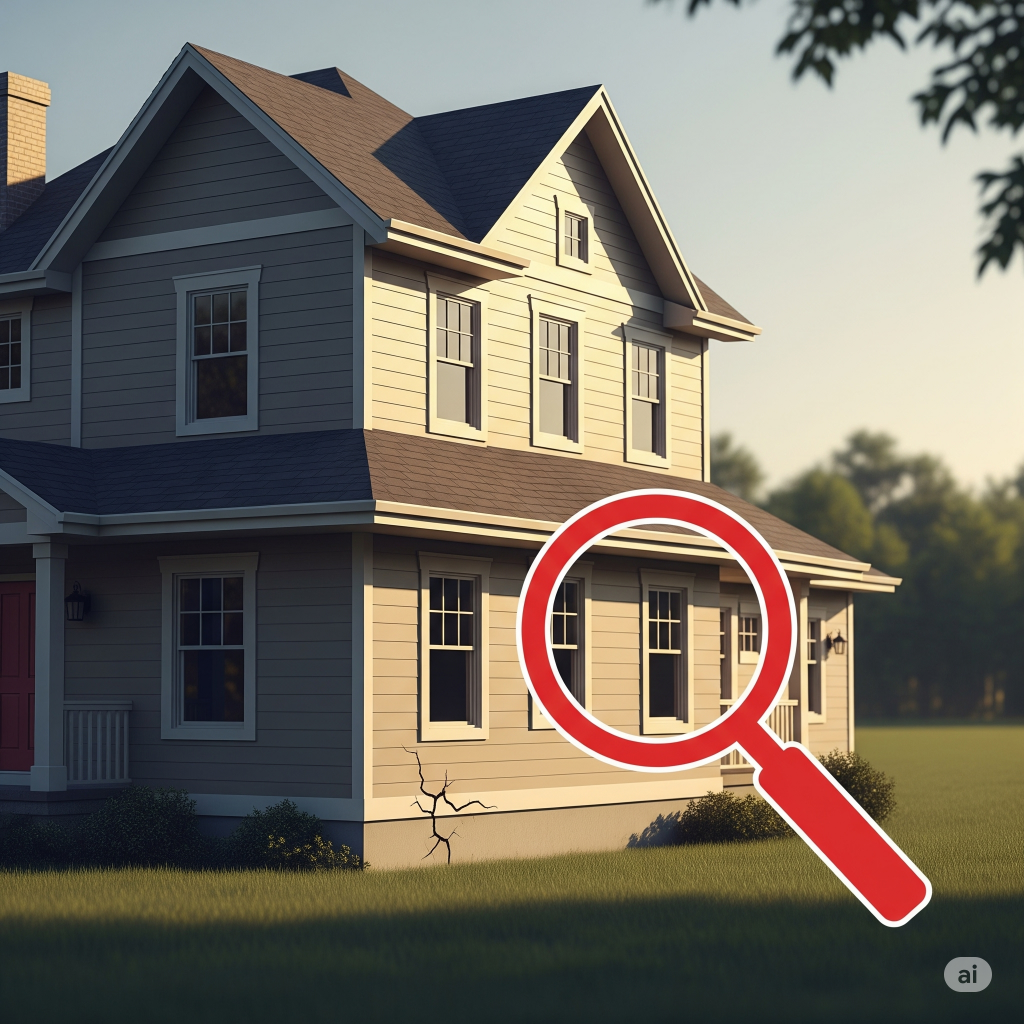
Today, we’re pulling back the curtain on five hidden structural problems that could be lurking in your home. More importantly, we’re tackling the crucial question every DIY enthusiast faces: Can you fix it yourself, or is it time to call in the professionals?
Before you grab that sledgehammer or paint roller, understanding these silent saboteurs can save you significant time, money, and headaches. Let’s dive in!
Here’s an informational video:
Hidden Hazard #1: The Unseen Foundation Fissures
First up, let’s talk about foundation cracks. Not all cracks spell disaster; some are just superficial hairline fractures from normal settling. But what we’re looking for are red flags: horizontal cracks, cracks wider than a quarter-inch, or those tell-tale stair-step patterns in brickwork.
Why it’s a problem: These types of cracks often signal serious underlying issues like foundation settlement, expansive soils, or significant water intrusion. Ignoring them is like ignoring a check engine light in your car—it usually doesn’t end well.
DIY or Pro? This is almost always a Pro Intervention.
- Why a Pro: Addressing foundation issues requires specialized knowledge of soil mechanics, structural engineering, and proper repair techniques. Attempting a DIY fix could worsen the problem, compromise your home’s stability, and lead to even more costly repairs down the line.
- What a Pro Does: A professional will diagnose the root cause, which could involve injecting epoxies, installing piers, or implementing drainage solutions to stabilize your home’s foundation. Think of them as your home’s chiropractors, getting everything back in alignment.
Hidden Hazard #2: The Stealthy Water Intruder
Our second hidden hazard is unseen water damage. While you might not see active drips, a persistent musty odor, unexplained stains on ceilings or walls, or soft, spongy spots on flooring often indicate a hidden leak. Basements, attics, and crawl spaces are prime suspects.
(Image: Subtle but clear images of water stains, warped wood, or discoloration in a hidden corner of a ceiling or floor.)
Why it’s a problem: Chronic moisture leads to wood rot, mold growth, and can significantly compromise the structural integrity of your home’s framing and finishes. Plus, mold isn’t exactly an award-winning interior design choice.
DIY or Pro? This often starts with DIY Assessment, but quickly escalates to Pro Intervention for significant damage.
- DIY Assessment: You can certainly investigate the source of the moisture. Is it a leaky pipe, a roof issue, or poor exterior drainage? If it’s a minor, easily accessible leak (like a loose plumbing connection), you might be able to repair the source and dry the area yourself. For small areas of surface mold, careful DIY cleaning with proper safety gear can be an option.
- Why a Pro: If the damage is extensive, involves structural wood (like joists or beams), or if the mold growth is widespread, a professional is essential. Restoration companies have the specialized equipment to thoroughly dry out affected areas, prevent further damage, and safely remediate mold. For persistent plumbing leaks, a licensed plumber is non-negotiable.
Hidden Hazard #3: The Insidious Pest Infestation
Next up: pest infestations, specifically those with an appetite for wood, like termites or carpenter ants. You might not see the pests themselves, but look for their calling cards: discarded wings, tiny piles of sawdust-like material (frass), or tell-tale mud tubes on your foundation walls. Sometimes, just a hollow sound when tapping on wood is your only clue.
(Image: Clear, close-up examples of termite mud tubes, frass, and small, distinct pest holes in a piece of wood.)
Why it’s a problem: These tiny destroyers can literally hollow out the structural components of your home, weakening critical beams, joists, and studs. It’s like having a silent, microscopic demolition crew working against you 24/7.
DIY or Pro? Almost always a Pro Intervention.
- Why a Pro: Pest control for structural pests requires specific knowledge of pest behavior, their life cycles, and effective, safe treatment methods. DIY pest control for these issues often fails to eliminate the entire colony, leading to recurring damage. Plus, handling powerful pesticides requires professional training and licensing.
- What a Pro Does: A licensed pest control professional will accurately identify the pest, assess the extent of the infestation, and implement targeted treatments—be it bait systems, liquid barriers, or fumigation—to eradicate the problem and provide preventative measures.
Hidden Hazard #4: The Subtle Slopes and Sagging Surfaces
Our fourth hidden hazard: uneven floors or walls. Does a room feel slightly off-kilter? Do doors stick, or are your picture frames perpetually crooked, no matter how many times you adjust them? These subtle signs can indicate significant structural shifts.
(Image: A visual demonstrating an uneven floor using a long level, a door that doesn’t close flush with its frame, or a subtle but noticeable sag in a ceiling.)
Why it’s a problem: Unevenness can point to foundation settlement, compromised floor joists, damaged subflooring, or even inadequate structural support. Your home shouldn’t feel like a funhouse!
DIY or Pro? Often a DIY Observation, but typically requires Pro Intervention for the repair.
- DIY Observation: You can easily check for unevenness yourself using a long level (a 4-foot level works well) or even a golf ball on a flat surface (if it rolls consistently to one side, you might have a slope!). Observe if doors and windows operate smoothly and if there are noticeable dips or humps in floors.
- Why a Pro: Correcting significant unevenness almost always requires professional expertise. The underlying cause could be complex, involving structural shimming, beam reinforcement, or even foundation repair. An experienced contractor or structural engineer can diagnose the problem accurately and implement the correct, safe solution.
Hidden Hazard #5: The Stuffy, Suffocating Spaces
Finally, let’s talk about poor ventilation in attics or crawl spaces. You might not see a structural problem directly, but you’ll certainly smell it: a damp, stale, or musty odor. This moisture-laden air is a breeding ground for problems.
(Image: Examples of condensation on attic rafters, mold on a subfloor in a crawl space, or visibly clogged soffit vents.)
Why it’s a problem: Trapped moisture leads to condensation, which causes wood rot in rafters, joists, and subflooring over time. It also encourages mold and mildew growth, which impacts indoor air quality and can silently degrade your home’s structural components.
DIY or Pro? Often a mix of DIY Fix for basic issues, with Pro Intervention for extensive damage or system installation.
- DIY Fix: Start by inspecting your existing vents. Are soffit vents or gable vents blocked by insulation, debris, or even paint? Clearing them out can significantly improve airflow. For small areas of surface mold caused by condensation, careful cleaning can be a DIY task.
- Why a Pro: If you have extensive mold growth, visible wood rot, or need to install a new ventilation system (like continuous soffit vents, ridge vents, or exhaust fans), a professional roofer or insulation contractor is your best bet. They’ll ensure your home can breathe properly, preventing future structural issues and improving your indoor air quality.
DIY Fix
DIY fixes can save you money, but if done incorrectly can actually cost you money. So look out for these things in your next DIY fix to ensure that you don’t make a mistake that will cost you later.
Leave a Reply